








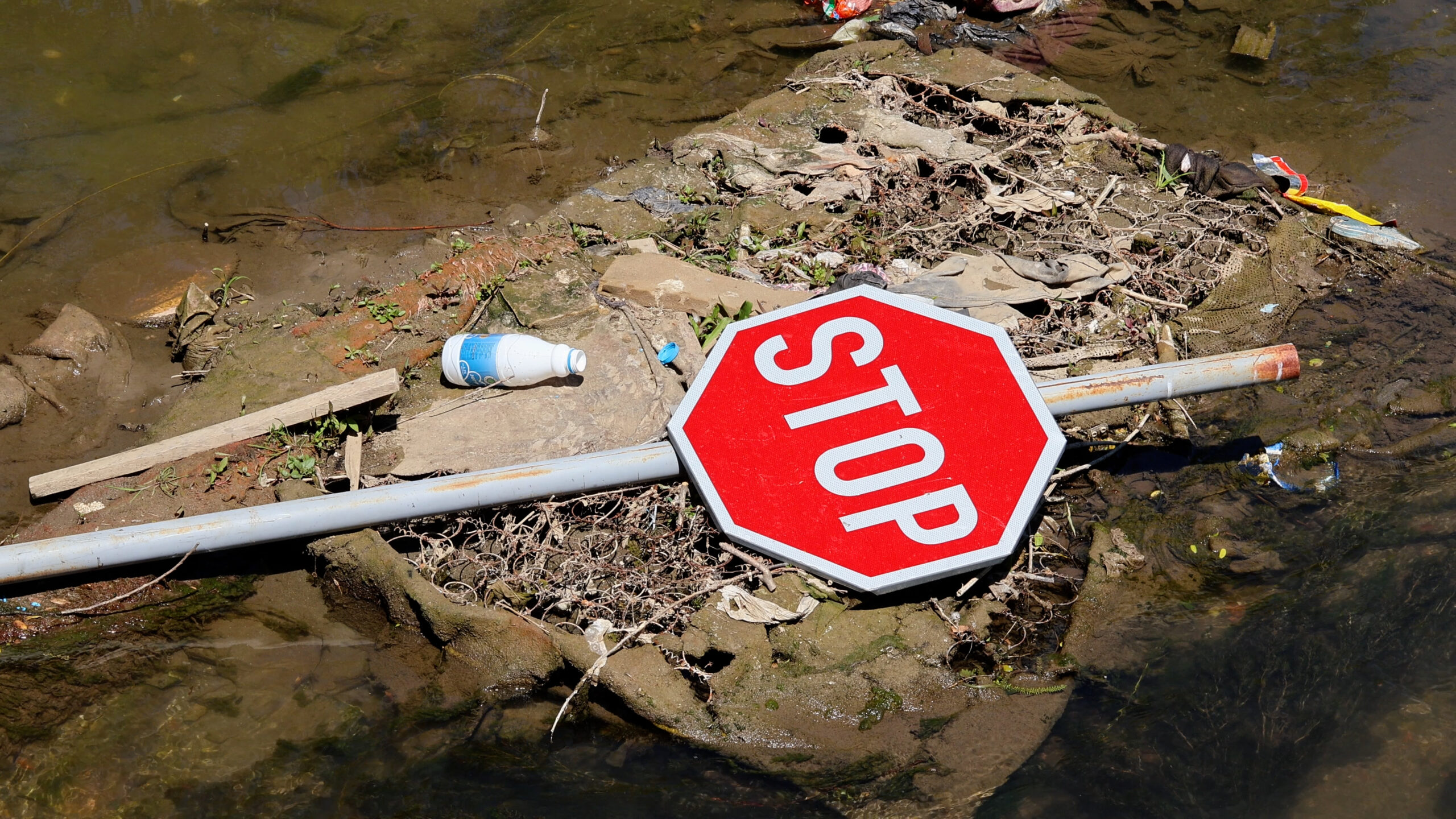

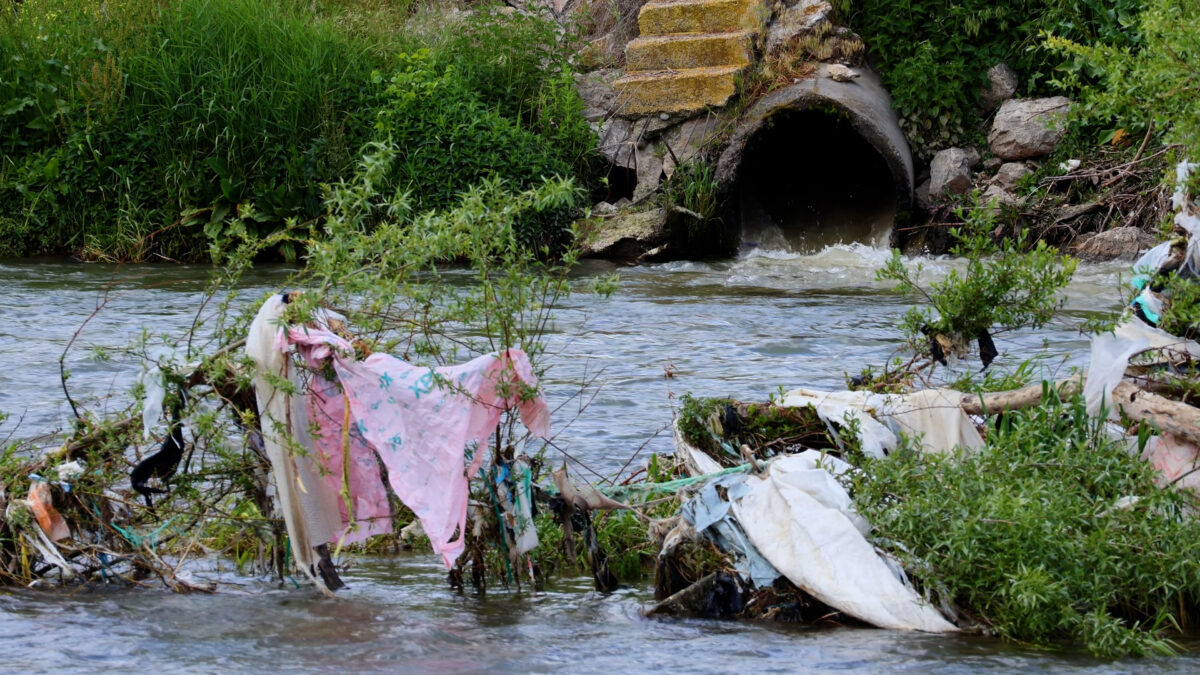
The quality of river water in Macedonia has for years been assessed as poor, and untreated wastewater remains the main source of pollution. The European Union continually points out that the country lacks sufficient wastewater treatment plants, that the existing ones are outdated, and that institutions are not doing enough to improve the condition of the country’s rivers.
Macedonia has received nearly 400 million euros in European funds for wastewater treatment plants, but part of the projects are stuck due to administrative obstacles and outdated infrastructure. Meanwhile, 26 percent of the population along the Vardar River and its tributaries—covering almost 80 percent of all water bodies in the country—does not even have a sewage system and relies on septic tanks.
“Untreated wastewater and discharges from major cities remain the primary sources of water pollution, especially in rivers,” states last year’s EU Progress Report on Macedonia.
A major systemic flaw is that industry monitors itself, a lack of independent oversight also noted by the Institute of Public Health.
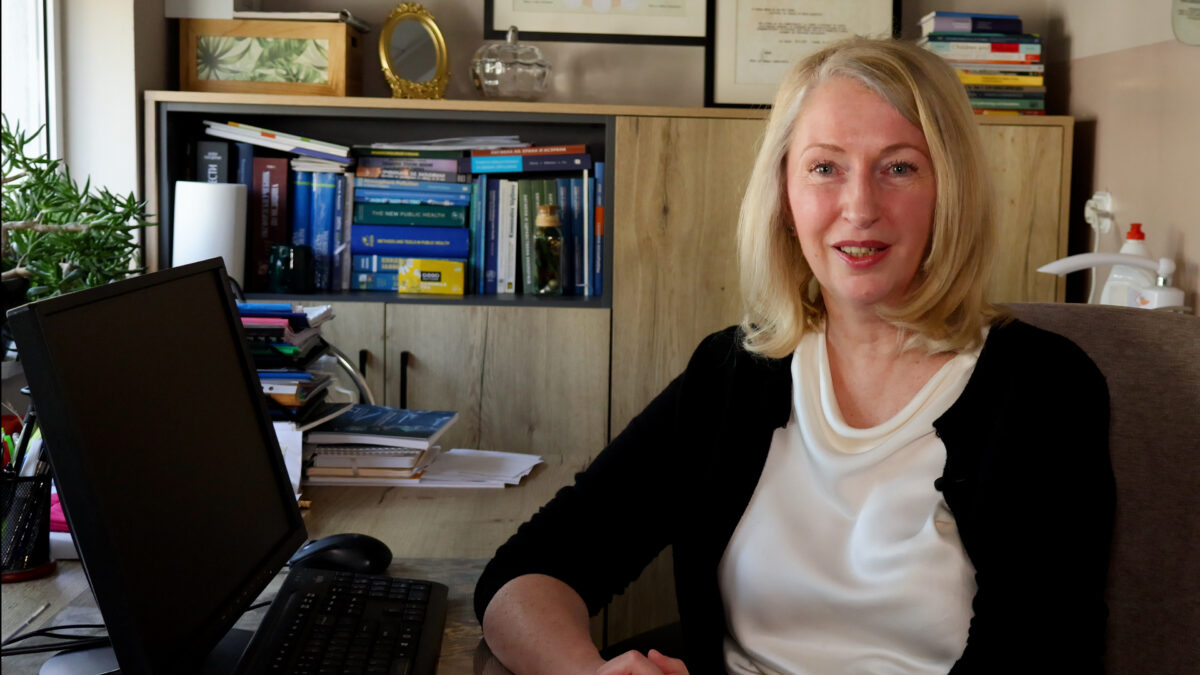
“What bothers me most, especially in the A‑integrated environmental permits, and what we always emphasize in our expert opinions to the Ministry of Health, is that companies must not be allowed to monitor themselves through private laboratories. The state must have control. That is the first thing we point out. The second thing we stress—yet nothing changes in practice—is that monitoring cannot be considered as taking samples once or twice a year of industrial wastewater discharged into a recipient, meaning a water body. That is not monitoring. Monitoring is continuous tracking of the quality and safety of that wastewater,” says Prof. Dr. Mirjana Dimovska, head of the Department for Environmental Health at the Institute of Public Health.
A report on the Vardar River from the Ministry of Environment shows that more than half of industrial facilities in Macedonia discharge wastewater without any treatment, and that this practice places significant pressure on the river. Industry voluntarily submits reports on the quantities of discharged wastewater, meaning institutions lack complete data.
“Currently, reliable information exists for average discharge rates for only about 30% of identified discharge points. This limits the ability to make a quantitative assessment of industrial impacts,” states the document “Interim Report on Significant Issues Related to Water Management – Vardar River Basin” prepared by the Ministry of Environment and Spatial Planning.
Hope in Wastewater Treatment Plants
The quality of river water in Macedonia is expected to improve through the construction of wastewater treatment plants. The one in the capital city, Skopje—intended to treat water for nearly one‑third of the country’s population—has been progressing slowly over the years.
The tender was announced in June 2020, with the promise that Skopje would have a treatment plant by 2025. One year after that deadline, the facility is still under construction.
The tender was awarded to the German company WTE Wassertechnik GmbH, which at the time was owned by Austria’s EVN. On March 3 this year, the company was taken over by the Austrian group STRABAG SE. The Macedonian contractor is the construction company Žikol. A person involved in the construction told us that Macedonian authorities entered the project without detailed urban plans, without land expropriation, without electricity supplied to the construction site, and without verifying whether the bridge built specifically for the project could withstand the weight of heavy machinery. The contract was signed three years after the tender, and construction began only in 2025.
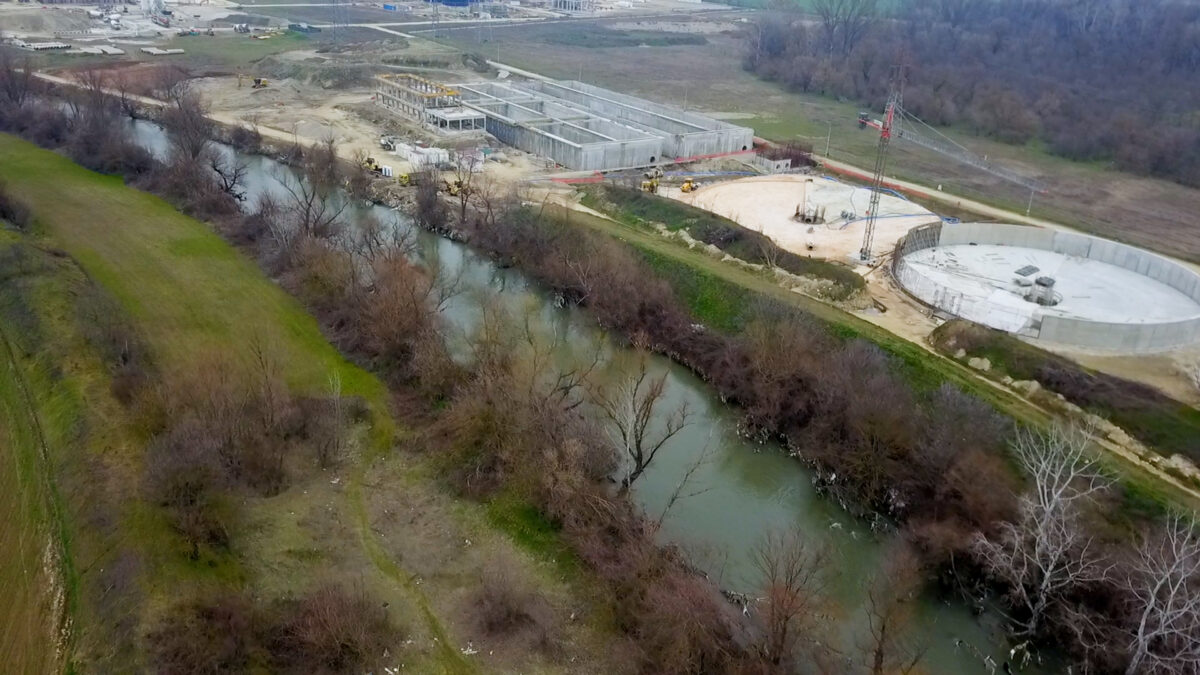
“The contract for designing and constructing the Skopje wastewater treatment plant was signed on 04.04.2023. Actual implementation could not begin at that time. Procedures for adopting the planning documentation (the detailed urban plans) were still ongoing. Afterwards, an Urban Infrastructure Project had to be prepared. There was no access road to the site, so it had to be built as part of the contract. The construction permit was issued on 27.03.2025, and construction began in April 2025,” explains Ivona Mladenovska, advisor for international cooperation and projects at the public utility company “Water Supply and Sewerage” – Skopje.
Longer timelines – higher costs
Documents we obtained show that the detailed urban plans were adopted on 16 February and 30 April 2024—one year before the originally announced completion date of the treatment plant.
These shortcomings have also been noted by the EU Delegation when it comes to wastewater treatment plant construction in the country.
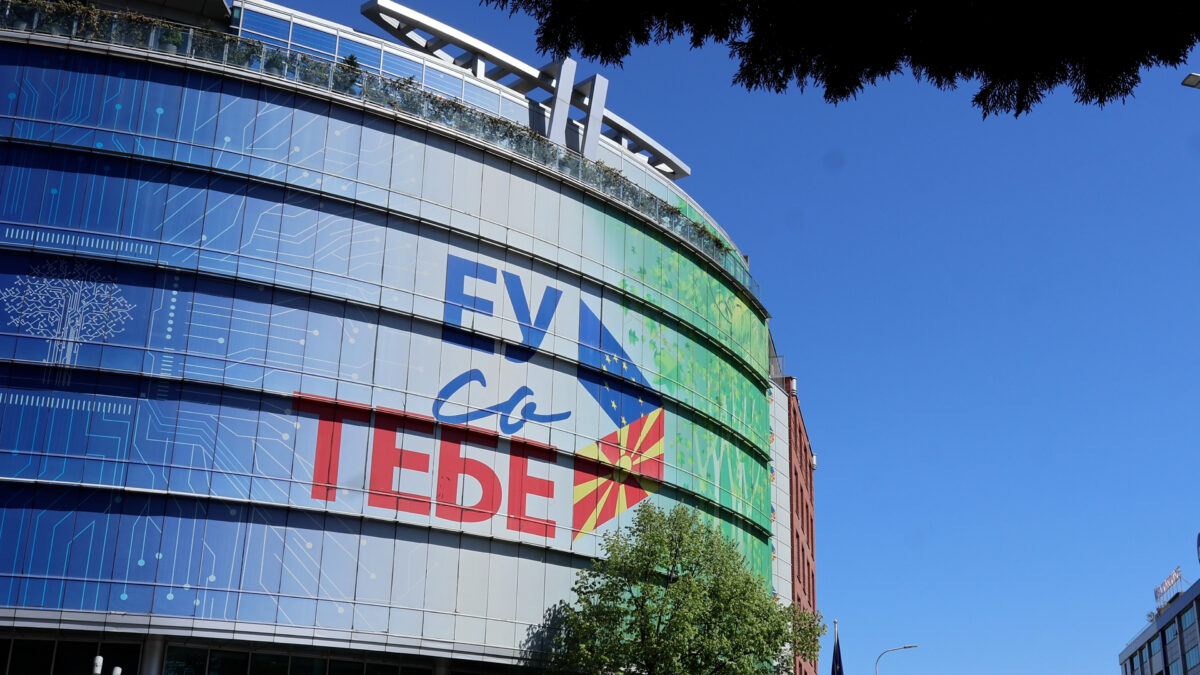
“The main challenges related to implementing projects for the construction of wastewater treatment plants include: commitment from national authorities; communication and understanding between central and local level; fulfilment of preconditions: land expropriations, connection to utilities, permits; timely designs of the WWTPs; procedural and procurement delays; capacity of the contractors; reform in the public utility companies; and functional and knowledgeable Project Implementing Units,” the EU Delegation in Skopje stated.
The prolonged construction of the Skopje treatment plant has not only drawn criticism but also generated additional costs, requiring an annex to the contract. After compiling all expenses, the total reached €200,706,256 in 2026. When the call for construction was announced in June 2020, the project was estimated at €136,000,000. The treatment plant is now expected to be completed by the end of 2027, and the facility will be handed over to the Skopje Water Supply and Sewerage utility company in November 2029.
Reports of Possible Corruption
The wastewater treatment plant project has been accompanied by allegations of corruption. The former mayor of Skopje, Danela Arsovska, claimed she had caught people “with their hand in the cookie jar” after dismissing the then‑director of “Water Supply and Sewerage,” Zlatko Perinski.
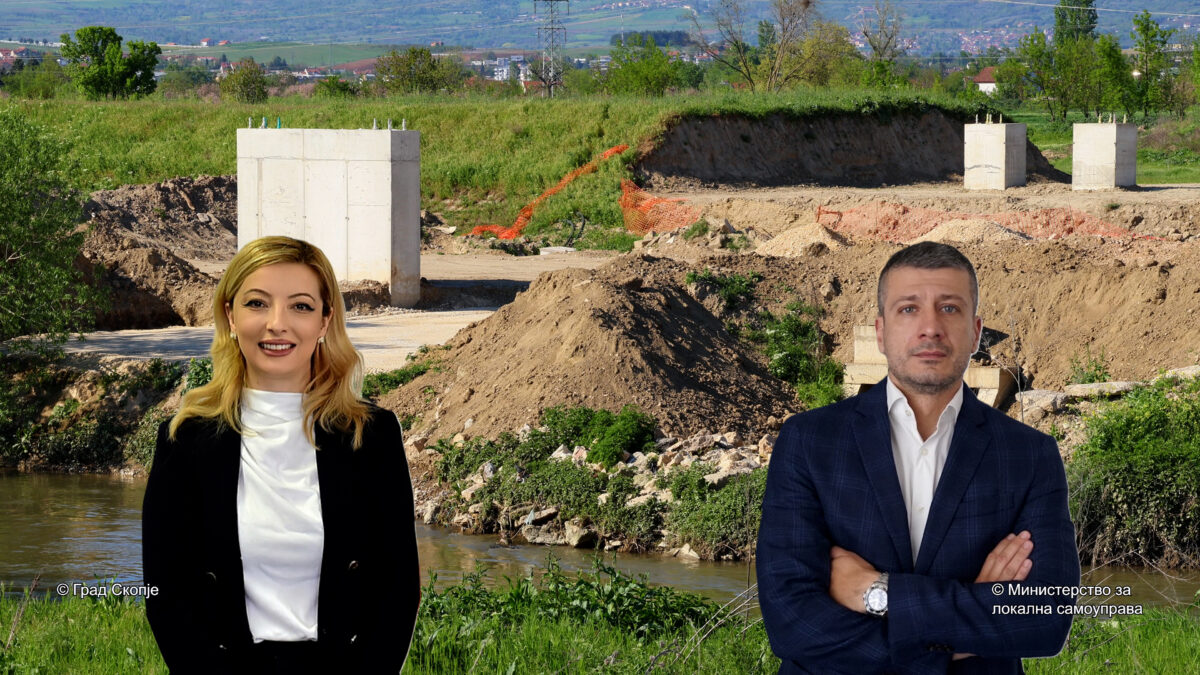
© Aleksandar Metodijev; The City of Skopje and the Ministry of Local Self-Government
We contacted Arsovska, who told us she had been excluded from all decision‑making processes and that, in hindsight, this was fortunate for her, because institutions in Macedonia were corrupt and operated on political orders.
“The procedures were led by the director and a team formed from members of several institutions, and that same team carried out all the steps. The process at that time was extremely non‑transparent. Neither I, as mayor, nor the City Council of Skopje, which has 45 members from all political parties, were informed about what was happening, nor were we provided with reports — which is a statutory and legal obligation of the utility company. That was the reason why I alerted the public and the European banks that financed the project. There was a preliminary investigation initiated by our institutions, but no one informed me about its progress. There was also a team of investigators from the European banks,” Arsovska told us.
Foreign Investigators at the Organized Crime Prosecution Office
The Public Prosecutor’s Office for Organized Crime and Corruption confirmed that such a preliminary investigation had taken place. A person familiar with the case briefed us that the file was opened following a report from the Ministry of Interior.
“At the beginning of 2023, the Financial Crime Unit submitted a report. Checks were initiated, carried out by the judicial police. Documents were obtained, and interviews were conducted in the Municipality of Gazi Baba, the Ministry of Finance, and several other institutions, including the Skopje Water Supply and Sewerage utility company and the City of Skopje. Regarding this case, a meeting was held here — in the Prosecutor’s Office — with representatives of the European Investment Bank, including the chief investigator of the Investigations Division. At that meeting, it was concluded that the procedure had been monitored by their representatives. They reviewed the documentation and did not find irregularities in relation to the legal provisions governing the procedure, particularly EU public procurement legislation,” the source from the Organized Crime Prosecution Office said.
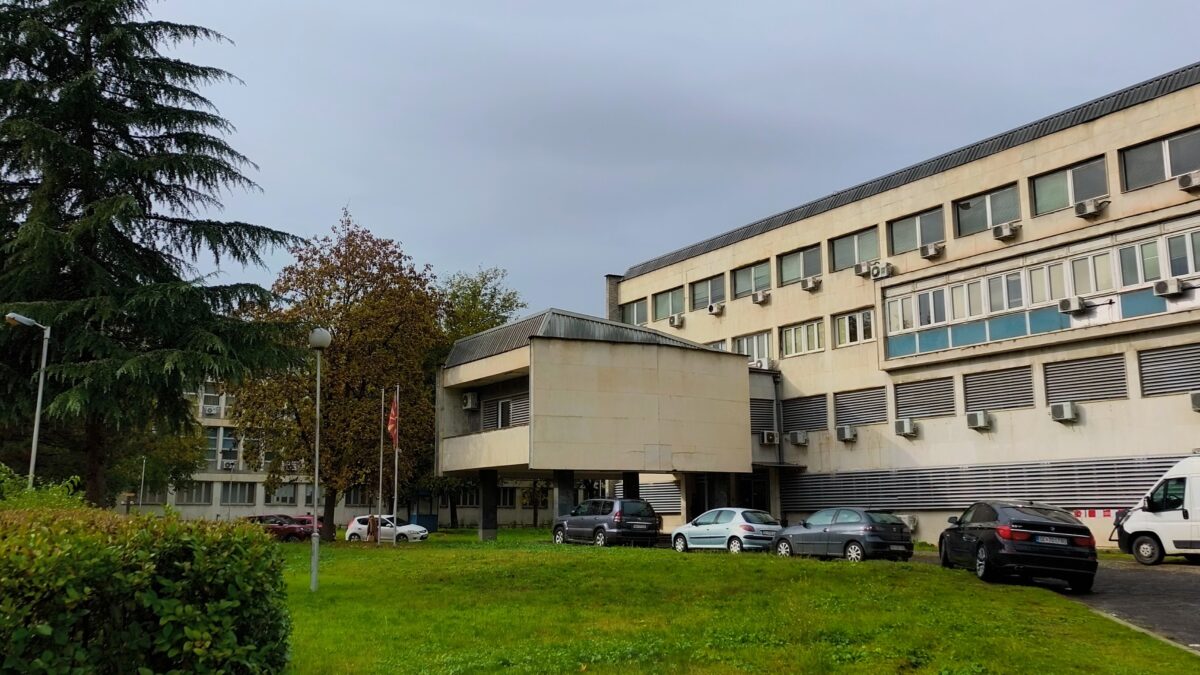
The Prosecutor’s Office told us that after reviewing all documents and finding no issues with the selection of companies, a decision — a so‑called resolution — was issued stating that there was no basis for further action at that moment.
“Our decisions are not final. If anything new appears — a new indication, a new piece of evidence — the case can be reopened at any time,” the source from this Prosecution Office informed us.
The Austrian company STRABAG stated that they have no information about attempts at corruption related to WTE, the company they acquired, and that they expect the same integrity from their business partners — in this case, the subcontractor responsible for construction works.
Lost Funds and Burden on the State Budget
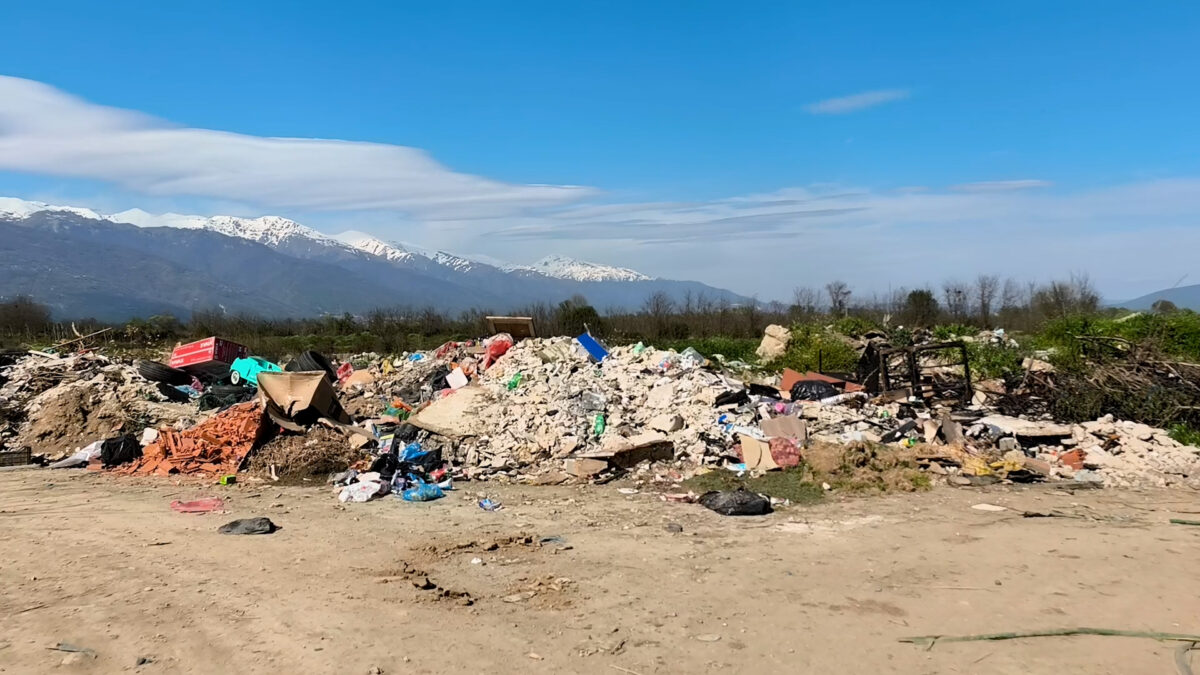
In 2016, EU Ambassador Samuel Žbogar and Spanish Ambassador Ramón Abaroa Carranza announced the construction of a wastewater treatment plant in the Macedonian city of Tetovo. In 2017, the Ministry of Environment presented the project and announced that construction would begin in 2018. Instead, in 2019, €2.3 million in domestic funds and €700,000 in Norwegian funds were spent on cleaning the landfill in the Tetovo village of Fališe, where the plant was supposed to be built.
Seven years later, the three million euros have been spent, and Fališe once again hosts an illegal dumpsite, spreading an unbearable smell.
The latest announcement is that construction will begin this summer. The company that will build the plant remains unknown, but information available online shows which companies will supervise the project — namely the Italian IRD Engineering and the Romanian Romair Consulting. Both companies are associated with controversies. According to an investigation by European Western Balkans, IRD Engineering, together with three companies under corruption investigation, oversees the construction of highways in Macedonia by Bechtel and Enka, raising doubts about its credibility. As for Romair Consulting, its owner, Gheorghe Boeru, is considered a highly controversial figure in Romania, linked to high-profile political and corruption scandals reported by investigative journalists.
The EU Delegation in Macedonia points out that the final deadline for implementing the IPA II programme — through which the funds were provided — is 31 December 2026. The same applies to the wastewater treatment plant in Bitola, Macedonia’s second-largest city, which has also been delayed, just like the projects in Skopje and Tetovo.
“A general rule that governs the IPA II Multi-Annual Programme for Environment and Transport 2014-2020 is that the IPA funds must be spent before 31/12/2026. WWTP in Bitola is under construction and should be operational from 2028, thus all occurred cost in the period until its operationalisation will be considered ineligible under EU rules,” the EU Delegation stated.
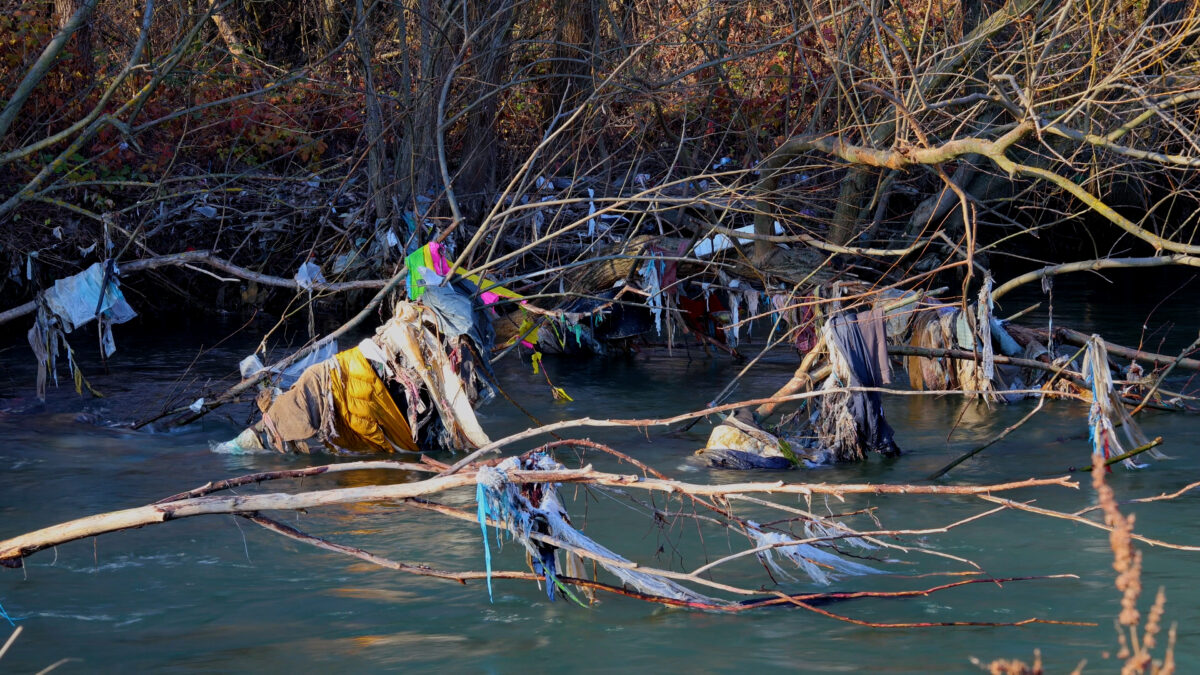
Due to the slow work of the Macedonian administration and officials, Macedonia has lost more than €31 million — EU-approved funds intended for essential infrastructure for wastewater collection and treatment.
“What should be noted is that under IPA II there has been a de-commitment of EUR 135 million out of which around 23% can be attributed to the activities originally planned under the priority line “Establishing wastewater collection and treatment infrastructure meeting the EU requirements”, attributed to the planning period 2017-2018-2019-2020. The de-commitments occur due to late procurement, delayed preparation of tender documents, long evaluation processes. As a result, a number of projects have remained unrealised within the established timeline. The loss of €135 million includes unrealised projects across both the sectors of Transport and Environment. At this stage, these figures do not include the funds allocated for the wastewater treatment plan in Bitola,” the EU Delegation in Skopje explained.
Probably by 2041, with more than one billion euros, all wastewater treatment plants will be built
The Ministry of Environment confirms that Macedonia has an insufficient number of wastewater treatment plants, as stated in the document “Interim Report on Significant Issues Related to Water Management – Vardar River Basin”:
“Although most urban areas have sewage networks, many of these systems are outdated, poorly maintained, or incomplete. The number of functional wastewater treatment plants is limited, and most of them are outdated and often operate with reduced efficiency.”
According to the EU Delegation in Macedonia, only 25 percent of the country’s population has access to a wastewater treatment plant, compared to 81 percent in the EU. We asked how many treatment plants need to be built in the country.
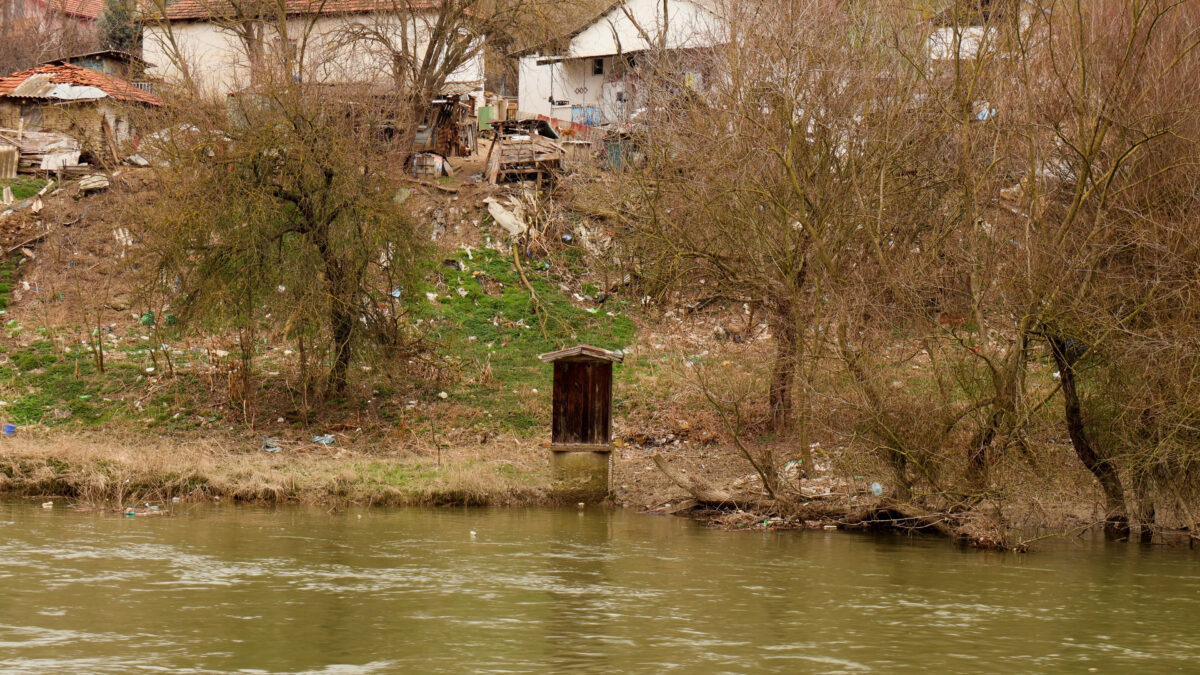
“87 wastewater treatment plants are needed, of which 17 wastewater treatment plants should be with tertiary treatment. The total needed investment to meet the requirements of the Urban Waste Water Treatment Directive is estimated at EUR 1.2 billion in 2017; with the current investment rate, full compliance is foreseen in the year 2041,” the EU Delegation stated.
This means that 70 treatment plants in Macedonia will complete wastewater treatment at the secondary stage, while 17 will need to provide tertiary treatment.
In the secondary stage, biological treatment is carried out using bacteria and microorganisms that remove organic waste such as fecal matter, food residues, and dissolved organic compounds. Oxygen is added into special tanks to accelerate the breakdown of organic waste, after which the bacteria settle as activated sludge.
The tertiary stage involves advanced chemical treatment and the removal of phosphorus, nitrogen, heavy metals, and other particles.
The most advanced quaternary stage, which is not addressed here, eliminates micro‑pollutants such as pharmaceuticals, hormones, pesticides, microplastics, and PFAS through activated carbon, ozonation, or membrane filtration.
Authors: Aleksandar Metodiev and Suzana Miceva
Coworker: Sanja Petrov
This text, the cross‑border investigation, and the production of the investigative documentary “Матни води (Murky Waters)” were carried out with the support of Journalismfund Europe.