








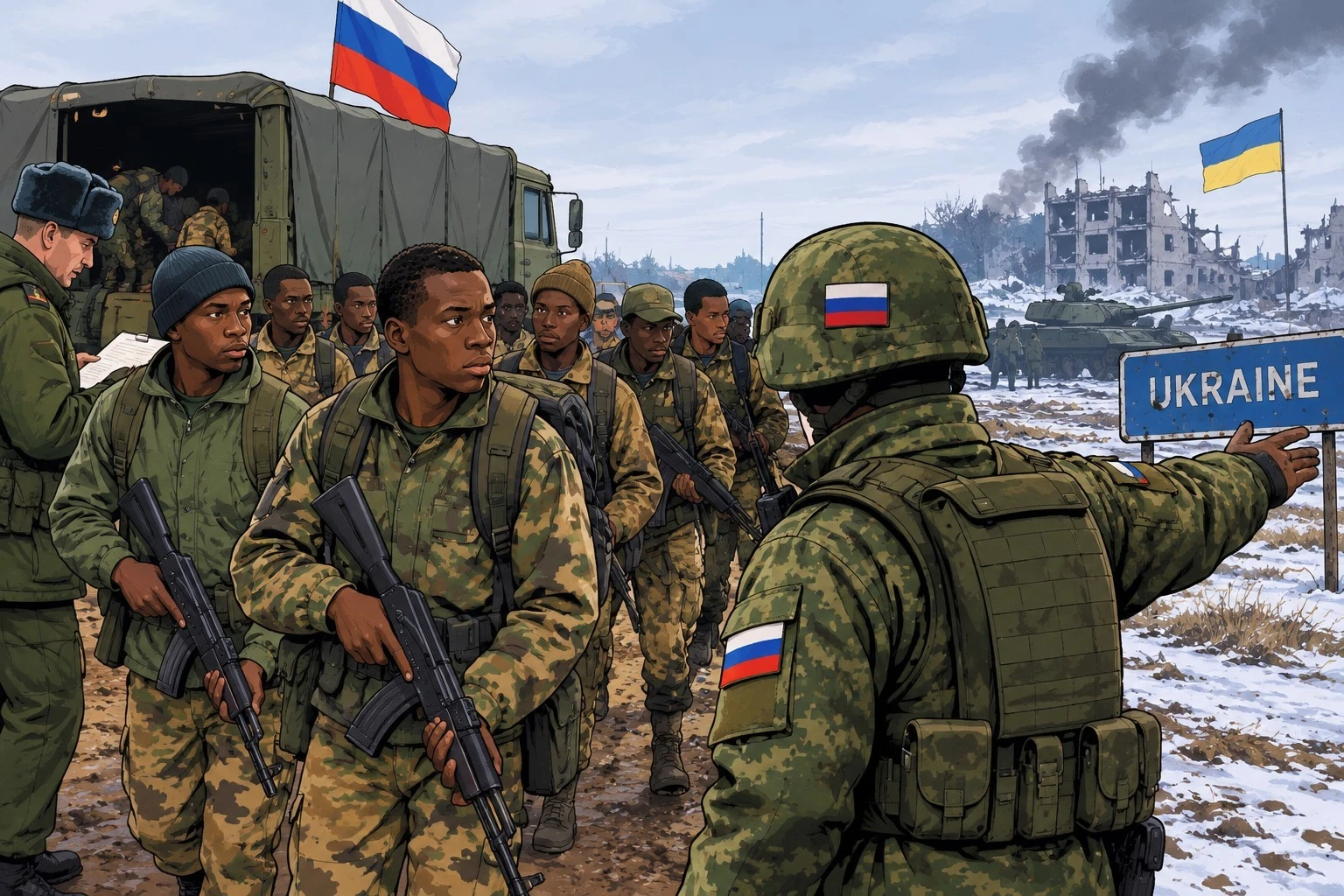

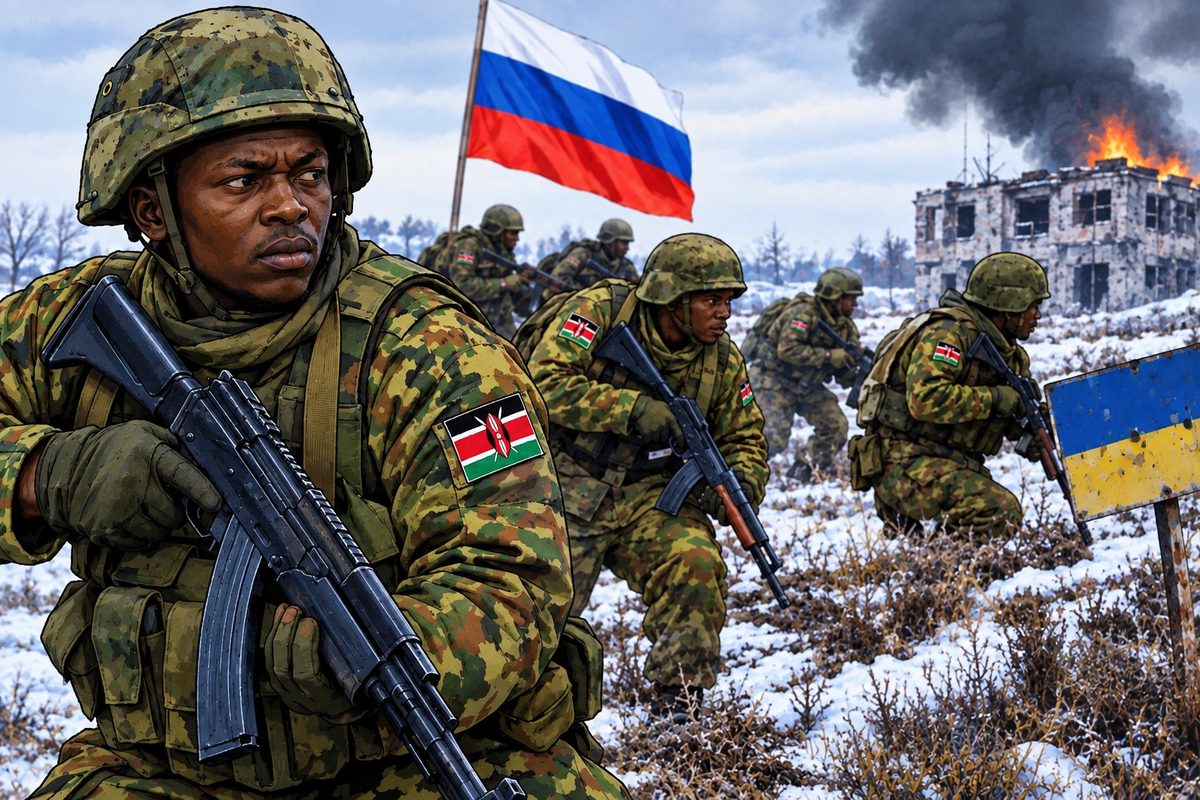
Kenya’s spy agency says more than 1,000 citizens were recruited. Nairobi now says it has identified 291. In the gap between those numbers, families are still waiting for answers, and recruiters are still working.
According to Ukrainian military intelligence, when Clinton Nyapara Mogesa died at the front, he was carrying three passports. One was his own. The other two belonged to fellow Kenyans, men Ukraine assessed had probably been recruited the same way and were likely headed for the same fate.
Mogesa was a plumber. In October 2025, as his contract in Qatar neared its end, he phoned his brother Vincent in Kenya to say he had found a new job in Russia. He did not say what it was. Two days after landing in Moscow, he reported that he had started military training. Weeks later he said he was waiting to be deployed. Then the calls stopped.
The Star newspaper reports that Mogesa wanted to buy his mother a plot of land. He is one of five dead Kenyans the paper names in its August 2026 investigation, along with Dennis Ombwori, Eric Mwangi, Joseph Kamau and Ronald Kipkurui. None of them set out to be soldiers. All of them, it says, were pulled into a war fought over ground they could not have found on a map.
Officially, more than 1,000 Kenyans were drawn into Russia’s war. Nobody in government can say how many are still out there.
The number that keeps changing
The first thing an investigator finds is that nobody agrees on how many Kenyans went. In November 2025, the government acknowledged that over 200 of its citizens were fighting for Russia. Then, on 18 February 2026, Majority Leader Kimani Ichung’wah stood in the National Assembly and read out a National Intelligence Service report. “So far over 1,000 Kenyans have been recruited and departed,” he told MPs, a figure roughly five times higher than earlier official estimates.
The same report counted 89 Kenyans on the front line, 39 hospitalised and 28 missing in action. About 30 had been repatriated since December. It also alleged something more explosive: collusion by officers at the Russian Embassy and the Kenyan Embassy in Moscow, and training so thin that recruits were, in effect, given a gun and sent to die.
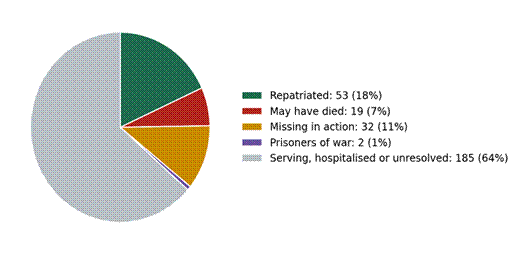
Within weeks the official narrative shrank. By 11 March, Kenya’s mission in Moscow had identified 252 nationals in Russian military operations, according to figures reported by FairPlanet. On 7 May, Prime Cabinet Secretary Musalia Mudavadi told the Senate the count had reached 291. Of those, 53 had been brought home, 19 may have died and 32 were missing. Two were prisoners of war in Ukraine.
The difference between “over 1,000” and “291” is not a rounding error. It is a gap of more than 700 people. Either the intelligence estimate was inflated, or the government has identified fewer than a third of the men its own spies say left. Neither explanation is comforting, and the government has not publicly reconciled the two.
Four official counts, one missing army
Kenyans recruited to fight for Russia, by date and source
| Date | Source | Total | Breakdown |
| Nov 2025 | Kenyan government | 200+ | Not published |
| 18 Feb 2026 | National Intelligence Service, tabled by Kimani Ichung’wah | 1,000+ | 89 on front line, 39 hospitalised, 28 missing, about 30 repatriated |
| 11 Mar 2026 | Kenyan mission in Moscow (via FairPlanet) | 252 | 160 serving, 44 repatriated, 38 hospitalised, 10 missing or killed |
| 7 May 2026 | Musalia Mudavadi to the Senate | 291 | 53 repatriated, 19 may have died, 32 missing, 2 prisoners of war |
How the pipeline works
The Star’s reconstruction, drawn from documents, recruitment material and accounts it gathered independently, describes an export business in human beings. Recruiters look for men with a police or military background, often recently discharged on questionable terms and short of money. Reuters reported that ex-soldiers, ex-police officers and the unemployed were all targeted.
The offer is polished: fully paid travel, passport processing, a tourist itinerary and, at the end of the contract, the promise of Russian citizenship for the recruit and his family. The recruiters themselves are often veterans of the security services. The Star says many have moved people into conflict zones in Sudan, Somalia and the Democratic Republic of Congo before.
The route is designed to survive questioning. According to the NIS report, recruits left Kenya on tourist visas and travelled to Russia through Istanbul or Abu Dhabi. When scrutiny tightened at Jomo Kenyatta International Airport, the Star found, recruiters shifted to quieter crossings: Moyale to Addis Ababa, Namanga to Dar es Salaam, Busia to Entebbe, then on to Türkiye. A visa swap in the third country produces a Russian tourist visa only when the recruit is safely out of Kenya.
Only after landing in Russia do recruits sign the contract that binds them. Returnees told journalists the documents were written in Russian. Several were promised jobs as electricians, plumbers or security guards. Accounts gathered by the Star describe about two weeks of weapons training before deployment.
The prosecution of one alleged recruiter shows how this works on the ground. On 24 September 2025, police raided a housing complex in Athi River, outside Nairobi, and rescued 22 young people being prepared for deployment. In February 2026, prosecutors charged Festus Arasa Omwamba, a director of Global Face Limited, with trafficking 22 Kenyans to Russia by deception. He pleaded not guilty at the Kahawa Law Courts. Prosecutors told the court that three people he had sent earlier came back wounded from combat zones.
Follow the money
The advertised pay is the hook, and it is inconsistent. Reuters reported recruiters promising 350,000 shillings (about $2,715) a month plus bonuses of up to 1.2 million shillings ($9,309). The Star, using its own material, found a standard one-year contract worth 140,000 shillings a month, a joining fee of up to 2 million shillings and, for some, promises of 5 million shillings within 20 days of signing.
The Star also found that only about 2 million shillings of the headline package ever reached recruits. The rest was swallowed by air tickets, military kit and the recruiter’s cut of roughly 100,000 shillings per successful delivery. It found no evidence that the advertised salaries were ever paid in full into Kenyan bank accounts.
Susan Kuloba’s family knows what that looks like. Her son David left Nairobi planning to work a year in Russia and open a footwear shop. He signed a contract he believed was for a security guard’s position and joined the army. FairPlanet reports the money he was promised sits in an account in Russia that she cannot reach.
Denials, loopholes and a “stop list”
Russia’s public stance has been consistent: it did nothing wrong. The Russian Embassy in Nairobi said on 19 February that its government had never engaged in illegal recruitment of Kenyans, dismissing the reports as a propaganda campaign. It did concede the loophole that keeps the pipeline open: Russian law does not stop foreigners already in the country legally from voluntarily enlisting.
On 16 March, Foreign Minister Sergey Lavrov stood beside Mudavadi in Moscow and said Russia was not forcing anyone to enlist. Kenyans, he said, signed their contracts voluntarily, and those contracts contained no clause requiring repatriation. Mudavadi still emerged with what his office called a breakthrough. Kenya, he said, had been placed on a Russian military recruitment “stop list,” and Moscow agreed to consular access for hospitalised Kenyans and help with repatriating the injured and the dead.
Nairobi’s own rhetoric has been sharper. Foreign Affairs Principal Secretary Korir Sing’oei called the use of Kenyans in the war “unacceptable” and said they were being used as “cannon fodder.” Mudavadi said 600 recruitment agencies accused of misleading Kenyans had been shut down. The Star’s finding is that agencies simply reopen under new names.
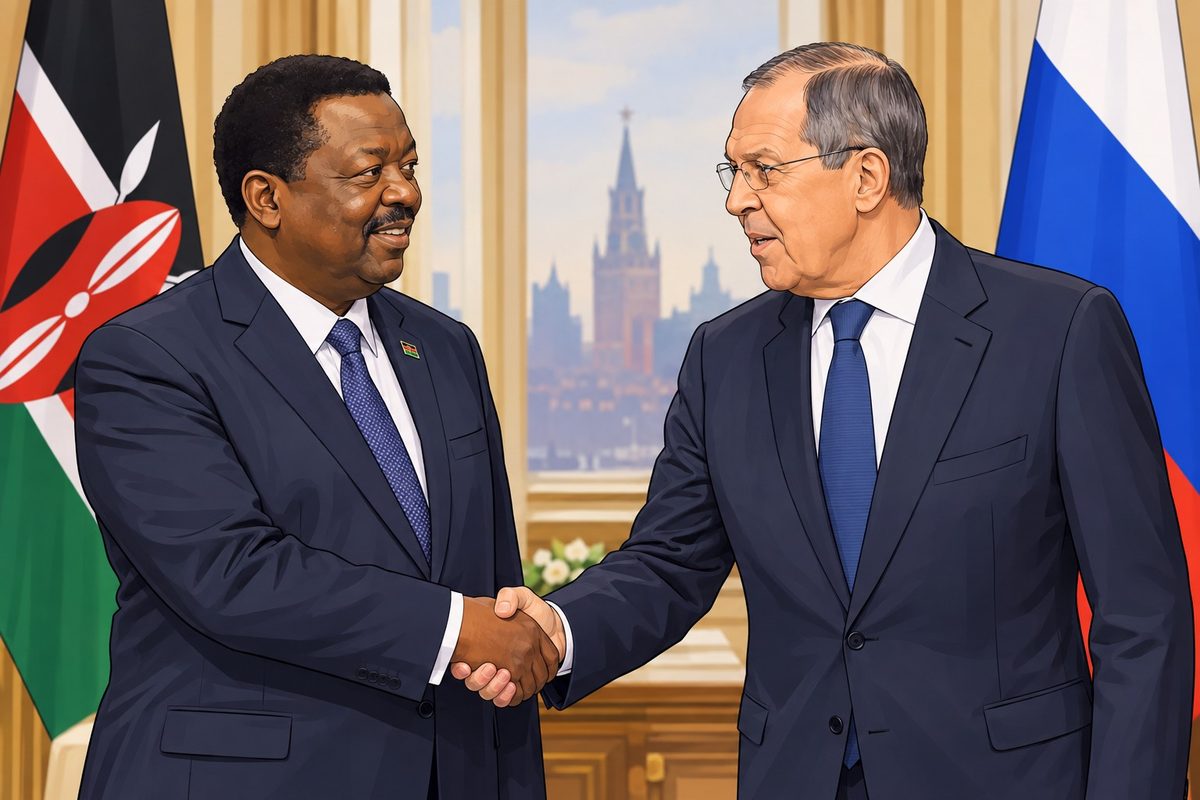
Figure 1: Where the 291 identified Kenyans stood on 7 May 2026
Share of Kenyans identified by the government as recruited
Kenya is one node in a continental web
Kenyans are not alone. Ukraine’s Foreign Ministry has estimated that about 2,982 people from 37 African countries had been recruited by Russia as of August 2026. In November 2025 the estimate was around 1,400 from three dozen countries. In February 2026 it was 1,780 from 36. That is more than a doubling in nine months. Countries named include Egypt, Cameroon, Ghana, Nigeria, Uganda, Togo and South Africa. Pretoria has confirmed that two of its citizens were killed at the front, separate from 17 South Africans tricked into fighting who have largely been repatriated.
Figure 2: Africans recruited by Russia, per Ukraine’s estimates
Number of recruits (country counts: about 36 in Nov 2025, 36 in Feb 2026, 37 in Aug 2026)
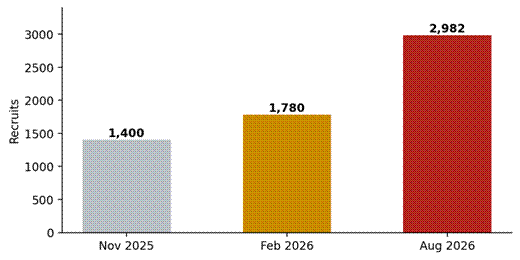
Source: Ukraine’s Foreign Ministry estimates as reported by Reuters, Al Jazeera and The Star.
Ukrainian intelligence warns that Moscow intends to recruit at least 18,500 foreign fighters in 2026, according to Foreign Policy. The demand is structural. The Center for Strategic and International Studies and the Ukrainian military estimate Russia has suffered about 1.3 million casualties in the war. The Kremlin, wary of another politically risky mobilisation, relies on contract soldiers. Foreign recruits are a small but growing part of that system.
The families
In Sikonga village, Kisii County, Dennis Bagaka Ombwori, 39, is mourned as the latest confirmed Kenyan death. His brother Alfred Morara told NPR the family was never told what the job was. In Nairobi, 72-year-old Charles Ojiambo Mutoka learned in January that his son Oscar Agola Ojiambo, 32, had died on 14 August 2025. Commanders at the front, not the Russian government, told the family. The body has not come home.
The Star found that no compensation has reached the families of the dead from either government. Mudavadi has promised help with remains and repatriation, but Lavrov’s point stands: the contracts carry no repatriation obligation.
What has to happen now
Four questions remain unanswered and should be put to Kenyan and Russian officials. First, which figure is right, 291 or more than 1,000, and what happened to the difference? Second, what came of the NIS allegation that officers at both embassies colluded, and has anyone been charged beyond one recruitment-agency director? Third, why do shuttered agencies keep reopening, and will the National Employment Authority publish a public list of licensed ones? Fourth, will Nairobi seek compensation for the bereaved and formal accounting for the missing?
Section 68 of Kenya’s Penal Code bars citizens from enlisting in a foreign army without the President’s written authority. It cannot be enforced beyond the border, and it does little for a man who was told he was going to fix pipes. Back in Kisii, in Nairobi and in the villages that gave these men to the pipeline, their families keep the passports, the photographs and the calls that stopped.
Sources. The Star (24 and 23 Aug 2026); NPR (19 and 21 Feb 2026); Al Jazeera (23 Feb, 26 Feb, 16 Mar 2026); Reuters via Yahoo News (Feb 2026); Africanews (8 May 2026); Foreign Policy (5 May 2026); FairPlanet (15 May 2026); AllAfrica (19 Dec 2025, 27 Feb 2026).