





How free is the Canadian press, and what democratic, legal, ethical, and economic conditions shape journalism in Canada?
Canada combines strong democratic institutions, constitutional protections for press freedom, and established journalistic ethics with notable challenges. It ranks highly on democracy and press-freedom measures, while facing concerns over journalist arrests, media consolidation, economic pressures, harassment, Indigenous land reporting, and the continuing decline of local news outlets across the country.
—
Canada was confederated on July 1, 1867. It remains among the freer and more functional democracies in the world. Our press freedom ranks among the highest in the world. Our rights are enshrined in federal documents. Our press core has a formalized association in the Canadian Association of Journalists. We have core journalistic ethics.
According to Statista, Canada ranks 14th globally on the Democracy Index, with the underlying ranking coming from the Economist Intelligence Unit (EIU). Our electoral process and pluralism, functioning government, political participation, political culture, and civil liberties ranked high; these independent metrics make up the index. The top countries were Norway, New Zealand, and Sweden. Canada is rated as a full democracy—a good place for journalism.
Based on the RSF World Press Freedom Index, Canada ranks 20th out of 180 countries and territories. Among the top of the countries in the listing, Canada’s political context ranks 12th. Their economic context ranks 23rd. Then their legal framework ranks 27th. Further, they rank socioculturally at 31st, and then finally their security is at 53rd.
The Canadian media landscapes core issues are Indigenous rights and land disputes. There are high profile arrests like Amber Bracken. Several economic pressures are facing news organizations. There is a decline in media diversity. If these issues are addressed, Canada’s press freedom ranking could improve, potentially significantly.
Rights are enshrined in the country for press freedom. Section 2(b) of the Canadian Charter of Rights and Freedoms protects freedom of thought, belief, opinion and expression. These include “freedom of the press and other media of communication.”
Section 1 permits limits on media freedom. The issue is demonstrating the justifiability of it in Canada. So, press freedom in Canada is broad but not absolute.
Becoming a journalist in Canada does not necessarily require a license, as in medicine or law; however, formal membership and good standing within the Canadian Association of Journalists is a good idea.
Canadian media professionals can get professional guidance, networking, and accountability principles through the CAJ. There are no government issued licenses. This matters for freelance journalists, small publications, and independent publishers.
The core ethics differ little from international standards, including accuracy, correcting significant errors, separating news from opinion, fairness, transparency, verification, protecting vulnerable interests, and minimizing harm. We now face independence issues in the media. More than 600 outlets were lost between 2008 and 2025.
Therefore, Canadian society is democratic. Its media is mostly free. Arrests of journalists and reduced media diversity are continuing issues.
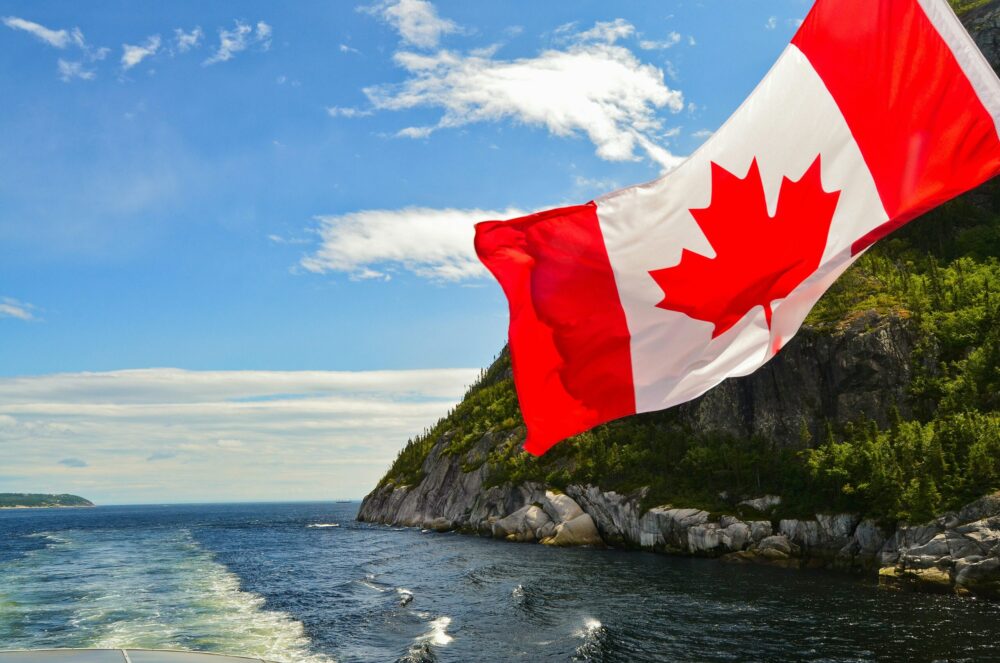
Photo by Isabel Piñeiro on Unsplash