








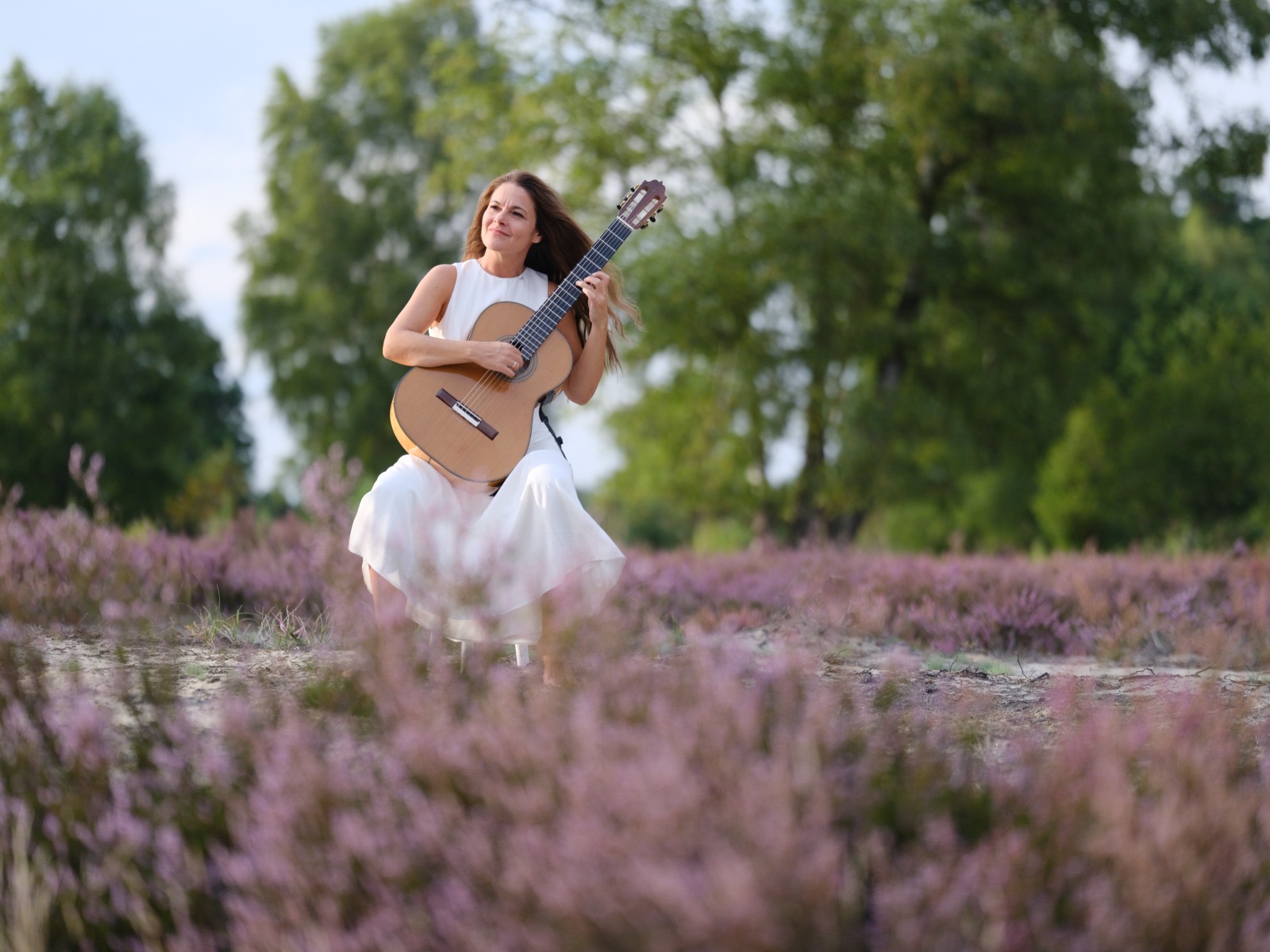
“Suddenly I had to face the possibility that I might never be able to play again. After two years of silence, every note now feels like a gift.” — Radmila Bešić, Exclusively for ICJ.
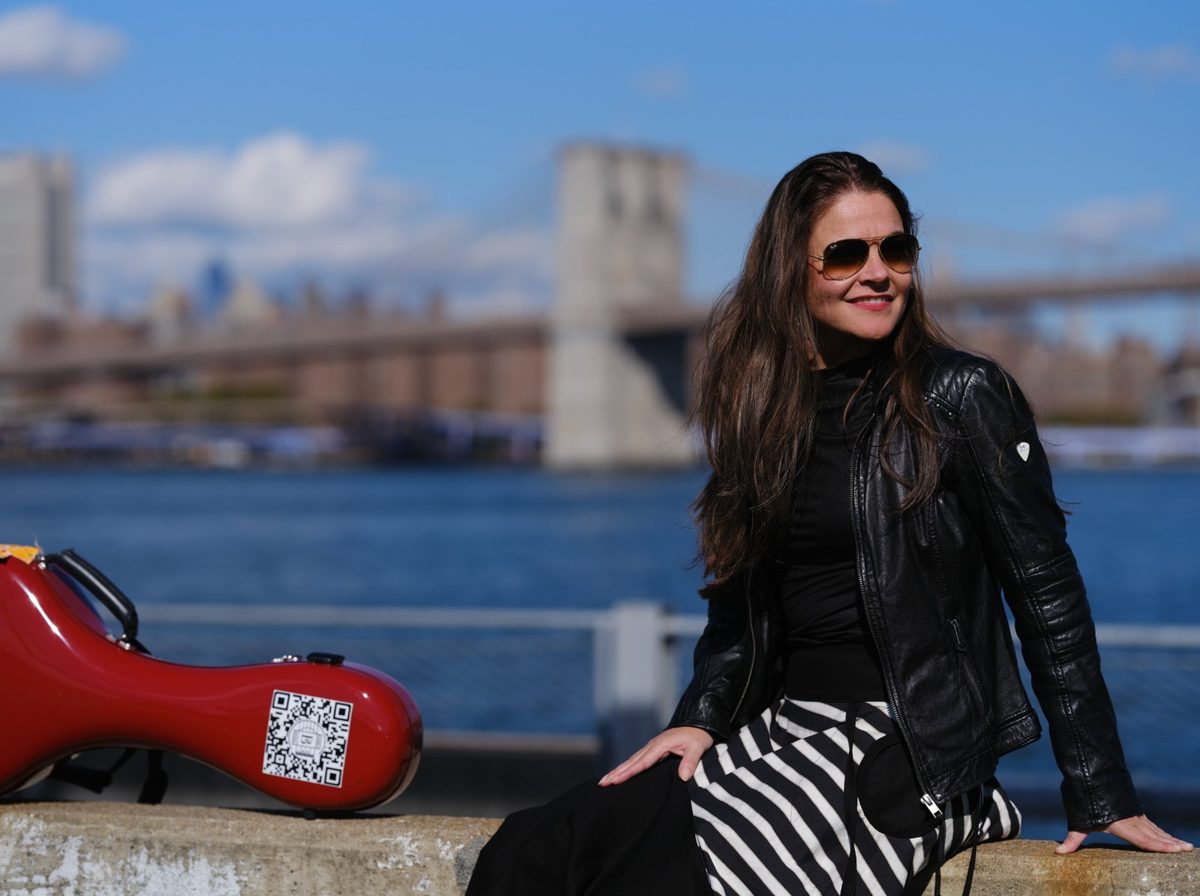
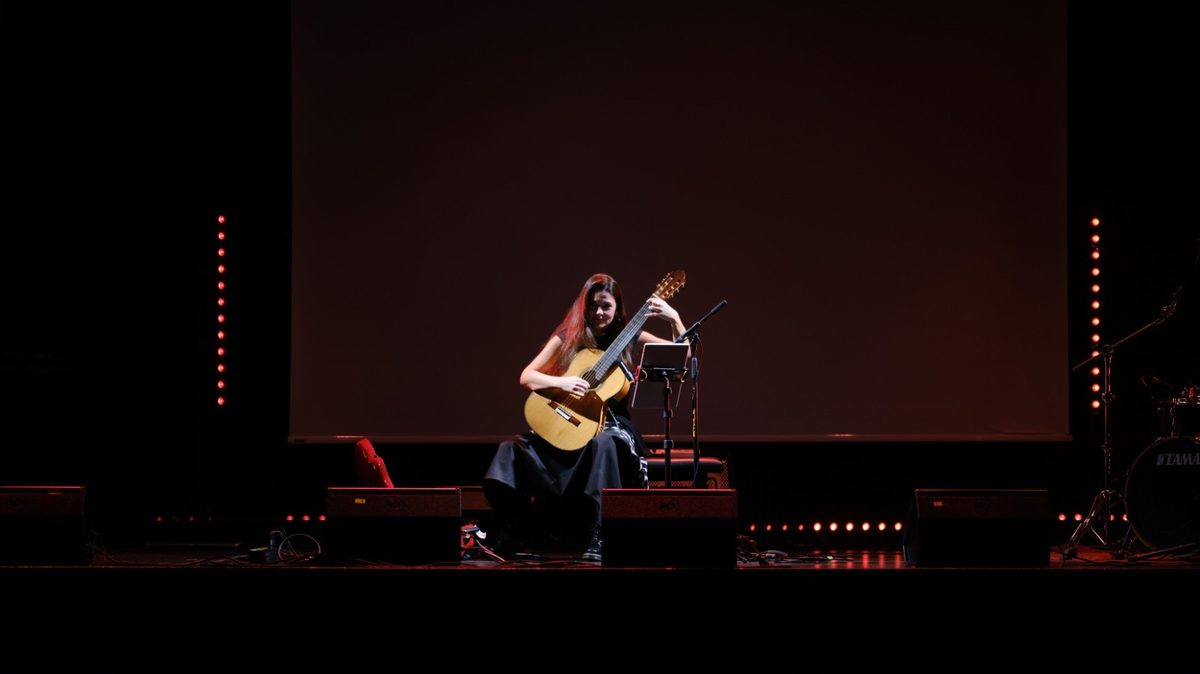
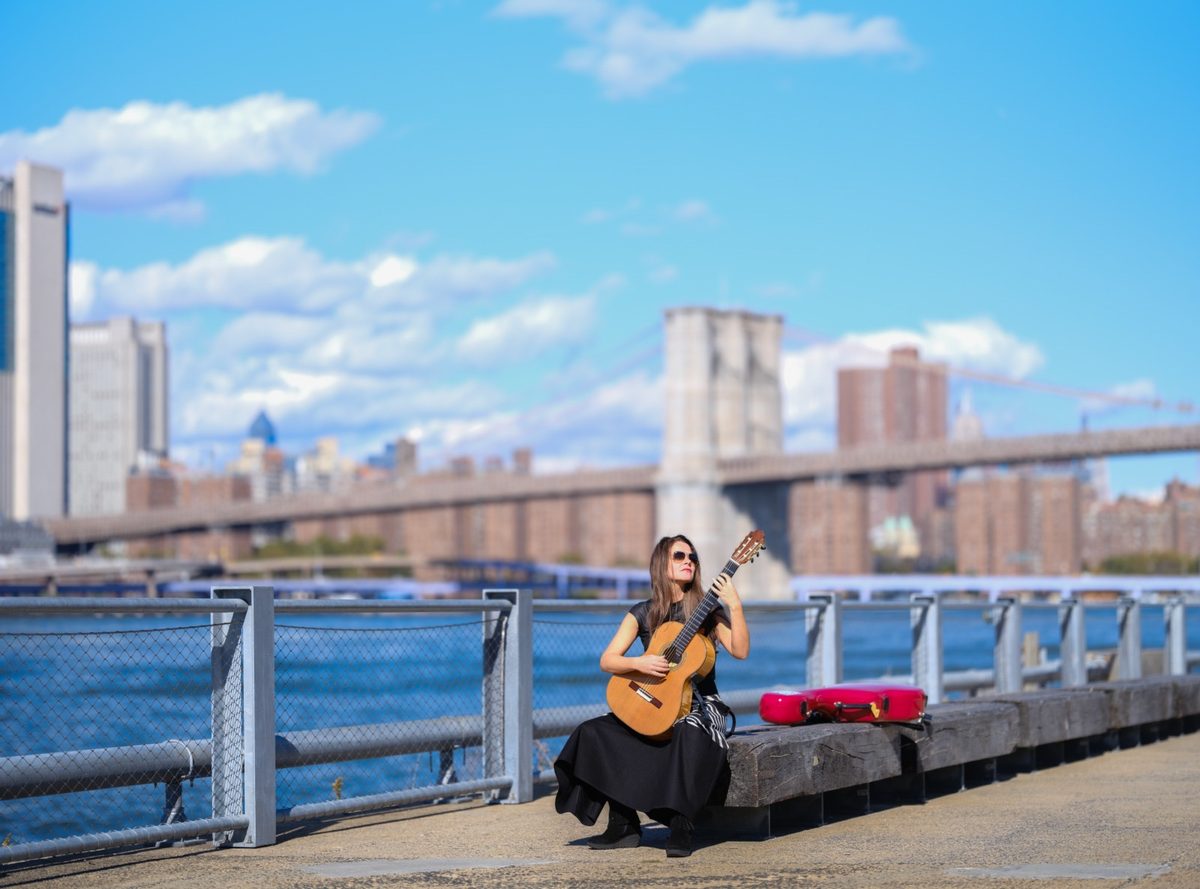
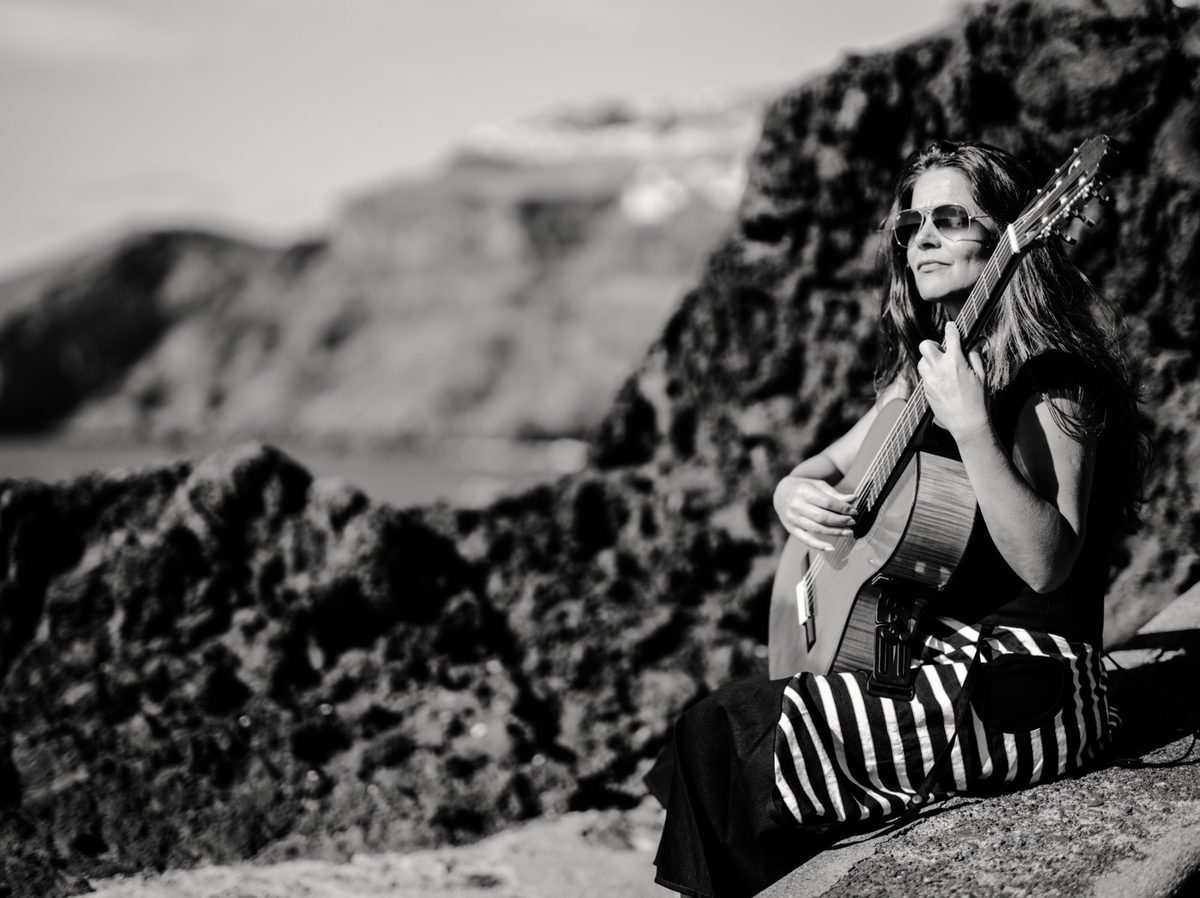
Radmila Bešić is a distinguished classical guitarist whose artistry blends traditional masterpieces with intuitive and meditative tones. A graduate of the prestigious Hochschule für Musik und Theater München under Professor Matthias Kläger, she has performed across Europe and beyond, both as a soloist and in ensembles. Her repertoire spans centuries, from Renaissance works to contemporary compositions, reflecting her versatility and depth.
Yet her path was dramatically interrupted in 2019, when a severe hand injury threatened to end her career and silence her music forever. What followed was a long recovery, compounded by the global pandemic, during which she confronted the possibility of never playing again. Today, living in Lower Saxony, she has not only returned to the stage but also created new cultural spaces, proving that resilience and passion can transform adversity into inspiration.
Exclusively for ICJ, Radmila Bešić reveals her experiences and her remarkable return to the stage.
Journalist: How did the accident and hand injury happen at the peak of your career?
Radmila Bešić: “The accident happened in 2019 in San José, Costa Rica, just two days before a concert organized by the German Embassy. I was at the entrance to the Embassy when a large gate crushed my right arm at the elbow and literally squeezed it. The injury was very serious. Doctors told me I had to rest for at least a year. At that moment, I couldn’t even lift a spoon, let alone a guitar.
The recovery eventually lasted almost two years, and I still feel the consequences today. But what was perhaps even harder for me was the psychological moment. Suddenly I had to face the possibility that I might never be able to play again. And for me, the guitar is not just a profession — it is a huge part of my life and my identity. That fear was an enormous additional burden alongside the physical injury.“
Journalist: When did you realize again that you could play?
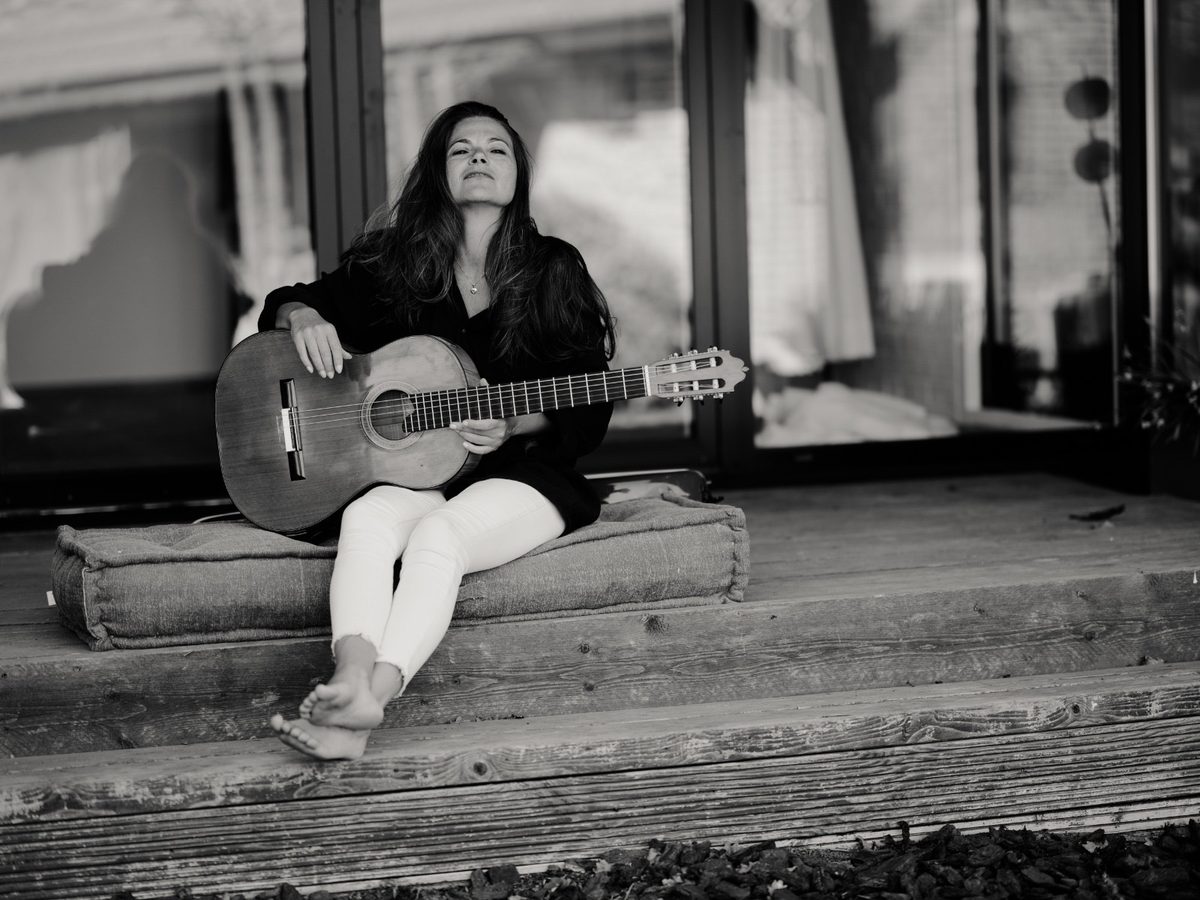
Radmila Bešić: “It took me a long time to truly become aware that I could play again. My contact with the guitar during that period was practically limited to the lessons I was giving. Of course, I was grateful that I could teach and stay in touch with music, but I missed what is actually the essence of my life as a musician — to sit for hours with the guitar, to practice, study, and play through new repertoire. My greatest support at that time were my colleagues. They listened to me and said: “Everything sounds perfect, you have no reason to worry.” That meant a lot to me, because I still had fear and didn’t fully trust my hand.
That was when I realized how much I actually missed playing. Teaching was something that kept me connected to music, but deep down I knew it would never fulfill me in the same way as playing. Only when I started working seriously with the guitar again did I realize how important that part of my life was.“
Journalist: How did you experience the lockdown period and the break from performing?
Radmila Bešić: “During that period my contact with the guitar was literally only through the lessons I was giving. I missed what is very important for a professional musician — to sit for hours with the instrument, to practice, study, and play through new repertoire. When the lockdown came, of course all of that became even more pronounced. I often think about how I would have experienced it if it hadn’t been for the injury. I believe I would have found some new way to reach the audience — maybe I would have started an online project, recorded a new CD, or created some other form of artistic work.
As a musician, it has always been important to me to find a way for music to reach people. But I entered the lockdown already with a long break behind me. That’s why that period was also a kind of continuation of everything that had previously happened. And maybe that is precisely why returning to music after everything had even greater meaning for me.“
Journalist: What does art mean to you regardless of the size of the audience?
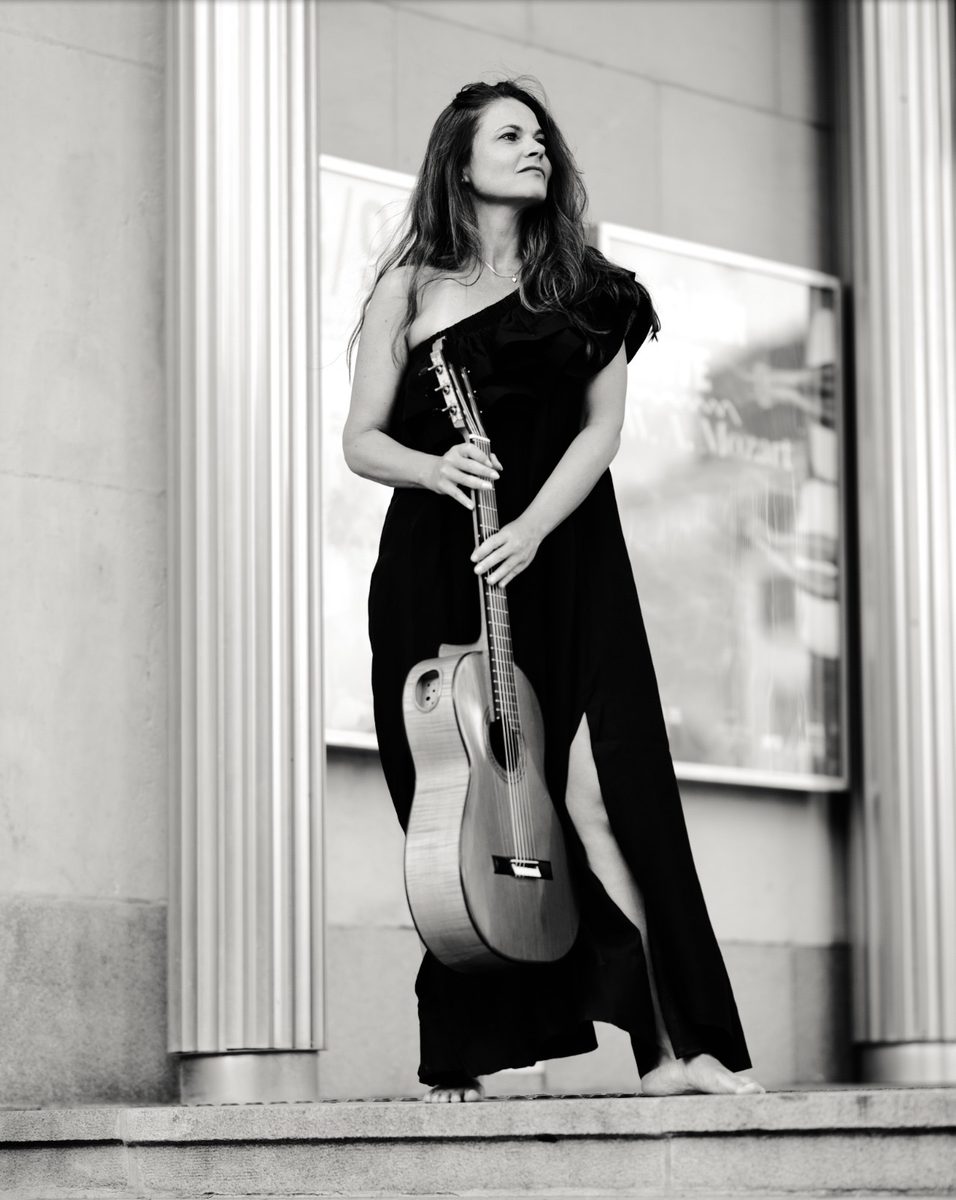
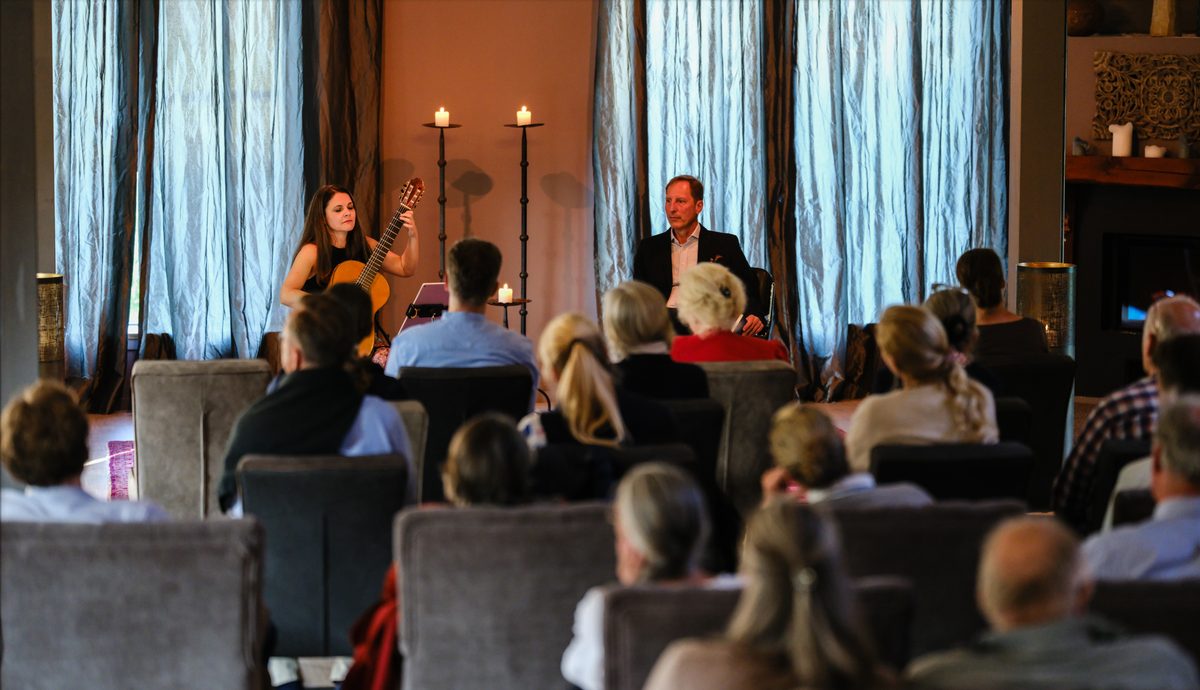
Radmila Bešić: “I think the most important thing for an artist is not to lose the reason why they are engaged in art at all. Of course, we all love big halls, large audiences, and beautiful concert opportunities, but the number of people in the audience cannot be the only measure of the value of what we do.
After everything I went through with the injury, my attitude toward that changed. Today it is much more important to me that there is real contact between the music and the person who listens, even if that audience is small. If there are twenty people in the hall who truly listened and experienced the music, that concert can be just as important to me as a concert in front of a much larger audience.“
Journalist: How has your perception of music changed after returning to the audience?
Radmila Bešić: “I think that after everything I became much more relaxed on stage. Before the injury I might have thought more about how everything had to be perfect, that every detail had to be under control. After everything that happened, that perspective changed.
When I started performing again in front of an audience, I was much more aware of how precious it actually is just to be able to sit on stage and play. Because of that, today I enjoy the moment more and think less about whether everything is perfect.
And I think that can be heard in my playing. When an artist is more relaxed, they can surrender more to the music, experience it in a different way, and establish a more genuine connection with the audience.“
Journalist: What does the audience enjoy most, and what do you most enjoy playing?
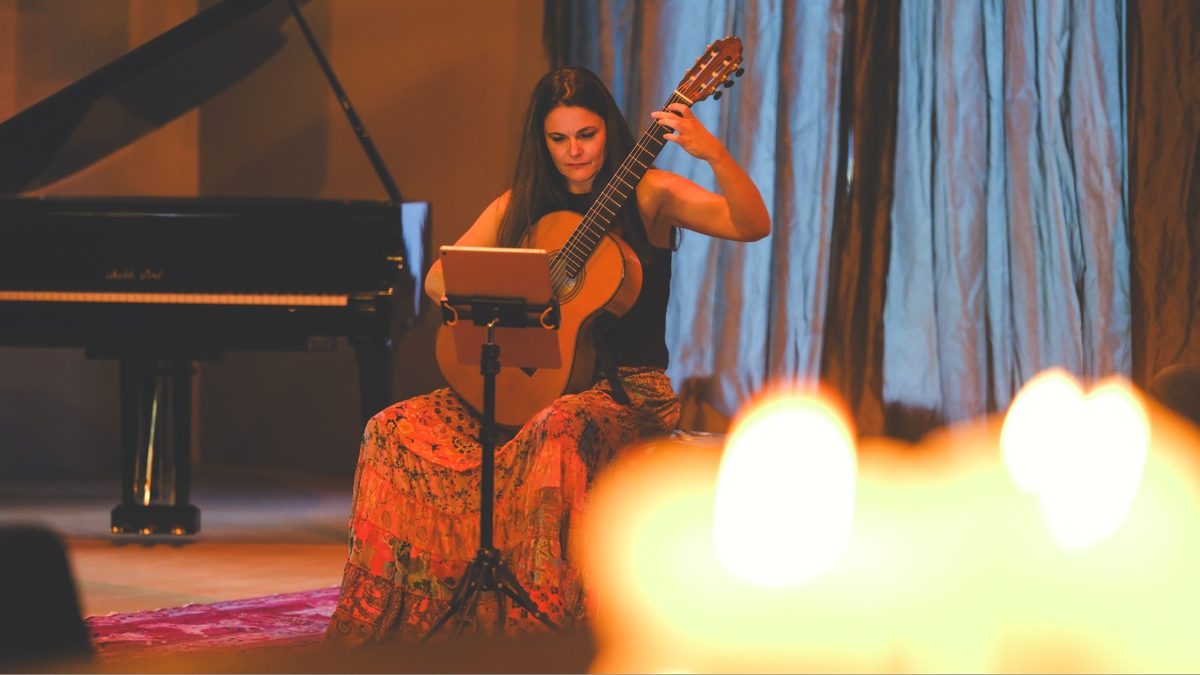
Radmila Bešić: “I noticed something interesting through concerts: the audience often asks for music in major, something brighter, more cheerful, and more direct. But when they listen to a concert, it seems to me that they are often touched even more deeply by music in minor, the one that has greater emotional depth.
For me, however, the most precious thing is when I can touch them with both. Music for me is not just a matter of whether something is happy or sad. It is important to me that the audience feels something through the music — joy, melancholy, tenderness, excitement…
If after a concert I see that I managed to lead them through different emotions, then I feel that I have done what I actually play for.“
Journalist: What inspires you most today as an artist?
Radmila Bešić: “Today I am most driven by love — love for people, for nature, and for that special connection between human and nature.
I actually discovered this much more deeply since living in Lower Saxony, in a small place surrounded by nature. My whole life I lived in cities, in crowds and urban noise, and honestly, I loved it. That was my natural environment and I didn’t feel that I was missing anything.
And then I came here and for the first time truly felt silence and nature in a completely different way. And I realized that even in that silence there is music.
Today I would like people, when listening to me, not only to hear the guitar and the composition, but in some way to hear themselves. To find in the music something of their own, some emotion, memory, or peace they perhaps didn’t even know they needed.
Maybe this is my personal return to nature — not only the nature around me, but also something more natural within me.“

Journalist: How important is collaboration with other artists to you?
Radmila Bešić: “Collaboration with other artists is very important to me. I think an artist should never be closed only in their own world, because it is precisely the encounter with other people and other artistic perspectives that often inspires us the most.
I am especially drawn to artists who live as free artists, who create their own projects, choose with whom they will work, and decide which path they will take. In Germany there is a clear distinction between such a free artistic life and artists employed in institutions, for example in orchestras, where there is permanent employment, regular salary, and a different kind of security. These are not better or worse paths — they are simply different ways of life.
I chose this freedom, even though it also means much more uncertainty. I don’t have the security of a regular salary, but I have the possibility to choose what I want to do, with whom I want to collaborate, and what kind of art I want to create.
And that is precisely why I love being in contact with people who also chose that free path. I think that from that freedom a special kind of energy and creativity is born.“
Journalist: How do you see the contemporary repertoire for guitar, and is there a gap between older and contemporary music?
Radmila Bešić: “I think classical guitar today has a very wide repertoire and that there doesn’t have to be any gap between older and contemporary music. I was trained tonally so that I can interpret different eras — from the Renaissance all the way to contemporary music. Of course, my repertoire has naturally developed and changed over the years, in line with my interests and with the spaces in which I perform.
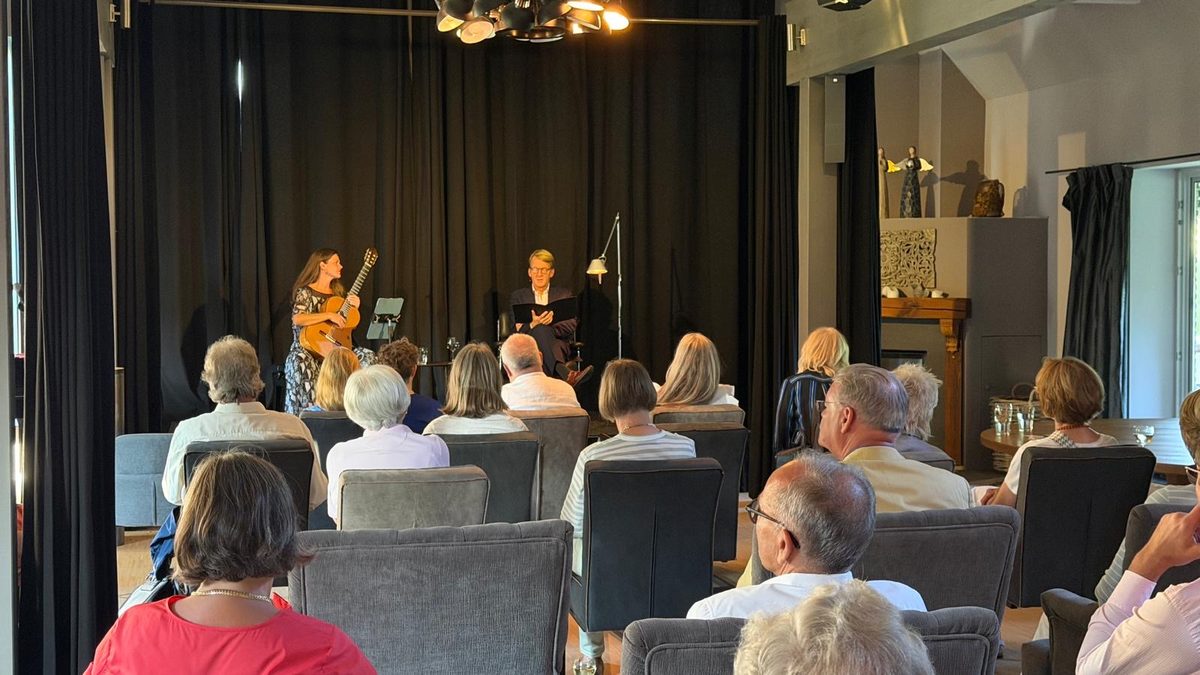
It is important to me that classical guitar does not remain closed only in the classical concert hall. I love playing in such halls, of course, but I also love events that at first glance may have nothing to do with art. Music is there to enrich the space, the atmosphere, and the event itself, regardless of its original character.
That is why I have quite a wide repertoire and often don’t want to decide everything in advance. Sometimes I prepare a program and know what I want to play, but when I arrive at the space, feel the atmosphere, and look at the people, I simply decide to perform something else.
I think that is one of the beauties of music — it is not only what is written in the program. It is also the moment, the space, and the people who are there with me at that time.“
Journalist: The future — where do you see yourself and what do you want to create?
Radmila Bešić: “When I think about the future, I actually no longer think only about my career, but about the space I want to create around music.
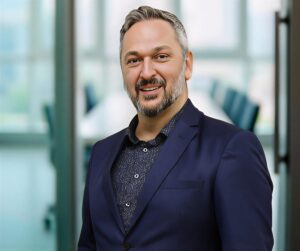
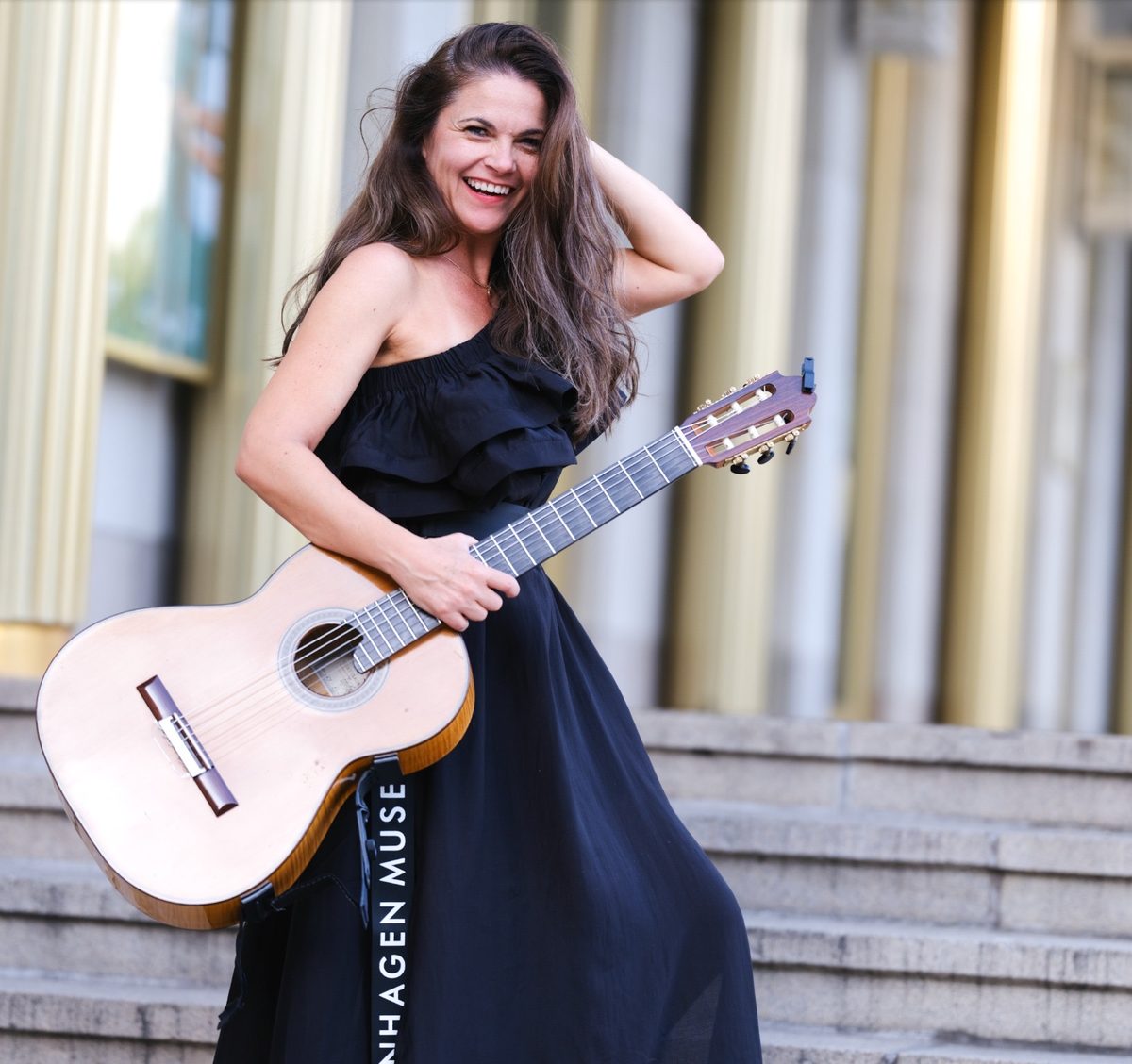
My newest project is launching a concert series in Schätzendorf, a small village in Lower Saxony, surrounded by nature. Even the name of that place is especially beautiful to me — Schätzendorf can be understood as “village of treasure.” And the concerts will be held in a space that my partner in this project, Karsten Eichhorn, called Wertemanufaktur — a place where values are created.
That is exactly what I want to do through music: to create value. I want people to come to a concert, listen to music, spend time together, and leave the hall with the feeling that they received something — not only that they heard a good concert, but that they themselves feel somehow richer.
I would love for people to start coming to this region not only for nature and rest, but also for culture, for concerts, for encounters with artists. For a small village to become a place people come to precisely because something special is happening there.“
Please find more about Radmila`s artistic journey at her official website: https://www.radmilabesic.com/
Photographer official website: https://www.karsteneichhorn.com/
Explore more of Radmila Bešić’s photography in the gallery: